
When a relationship comes to an end, one of the biggest concerns for parents is what happens next for their children. When emotions are running high, it can be hard to know what to do next or where to turn for guidance. Deciding where the children will live, how they will divide their time between parents, and how key decisions will be made can feel overwhelming, especially in the early days of separation.
While this may all sound very troubling, parents in the Cumbria UK do have more than one option available to them when it comes to arranging arrangements for their children after separation. Although every family is unique, such arrangements should always be about achieving an outcome that benefits the children and provides them with stability during what can be a difficult time. Am I Eligible for Legal Aid for Family Mediation in the UK Cumbria?
Hopefully, knowing your options will enable you to make informed decisions and prevent them from becoming an unnecessary battleground. No matter whether you manage to make an agreement between the two of you, need family mediation support, or end up in court, there are options available to help get you on your way.
What Should You Do First When Separating from Children?
The first steps you take after separation can make a big difference for both you and your children. While it’s easy to focus on the disagreements between you and your former partner, try to keep your children’s needs at the heart of every decision.
Start with the practical arrangements. Think about their transport to and from where they will live, when you are going to see them and what you can do to keep the rest of their routine as normal as possible. Continuity in school, friendships, hobbies, and their family relationships helps children to adapt and cope with the changes better. How Much Does Family Mediation Cost in the UK? (and Is It Worth It?)
Good communication is important too. We are aware that conversations can be difficult, but staying respectful will prevent miscommunication and reduce the risk of conflict. If even having a conversation with them feels too much, speaking to someone else professionally can help you find ways to make those conversations move forward more constructively.
It may also be beneficial to know your rights and responsibilities as a parent. The better the information you have about your options, the less daunting decisions will feel, and you may be more confident about the future.

Can You and Your Ex-Partner Agree on Arrangements Without Outside Help?
For some families, reaching an agreement without involving professionals is entirely possible Cumbria. If both parents are willing to talk openly and focus on the children’s best interests, informal arrangements can often work well.
These discussions may cover:
- Where the children will live
- How will they split their time between the parents?
- Holidays and special occasions arrangements
- School and healthcare decisions
- Children’s financial obligations
It actually affords more flexibility, as reaching a mutual agreement can allow parents to make arrangements tailored to their family’s needs. It may help you save money and reduce much of the stress commonly associated with legal action. How Is a House Divided in Separation — Can Mediation Help?
But casual pacts can get complicated if no one communicates well, or something changes. In such circumstances, contacting a professional may help keep disagreements from escalating.
Family Mediation: A Child-Focused Alternative to Court
Family mediation Cumbria is one of the most effective ways for separated parents to resolve issues involving their children without going to court.
Family mediators Cumbria work independently to help parents have calm, productive conversations about decisions affecting their children and family life. Rather than taking sides or making decisions for you, the mediator guides discussions and helps both parents work towards mutually acceptable solutions.
One of the greatest strengths of mediation is its focus on what matters most – the well-being of the children. Instead of focusing on who is right or wrong, mediation encourages parents to consider what arrangements are likely to work best for their children. How Does Family Mediation Help With Child Arrangements After Separation?
Mediation can help parents discuss:
- Living arrangements
- Contact schedules
- Education and healthcare decisions
- Communication between parents
- Future changes and flexibility
Many parents find mediation less stressful, less expensive, and quicker than court proceedings. It can also help preserve a working shared parenting relationship, which frequently benefits children in the long term.
What Happens If You Cannot agree on Child Arrangements?
Unfortunately, not every separation leads to an agreement. Sometimes emotions, communication difficulties, or concerns about a child’s welfare make it impossible for parents to find common ground on their own.
If you cannot find any common ground, seeking legal advice or going to family mediation, if you haven’t already, may help. Most likely, professional help will provide answers you did not try to address before.
If a settlement cannot be reached, parents may then have to turn to the family court (and even mediation is not compulsory). Typically, litigation is seen as a last resort, and the hands of everyone involved can be tied; this can mean it takes years, is expensive, and is emotionally draining.
Before applying to court, parents are usually expected to consider mediation, except in certain circumstances such as domestic abuse or situations involving immediate safety concerns.
Applying to the Family Court: What Parents Need to Know
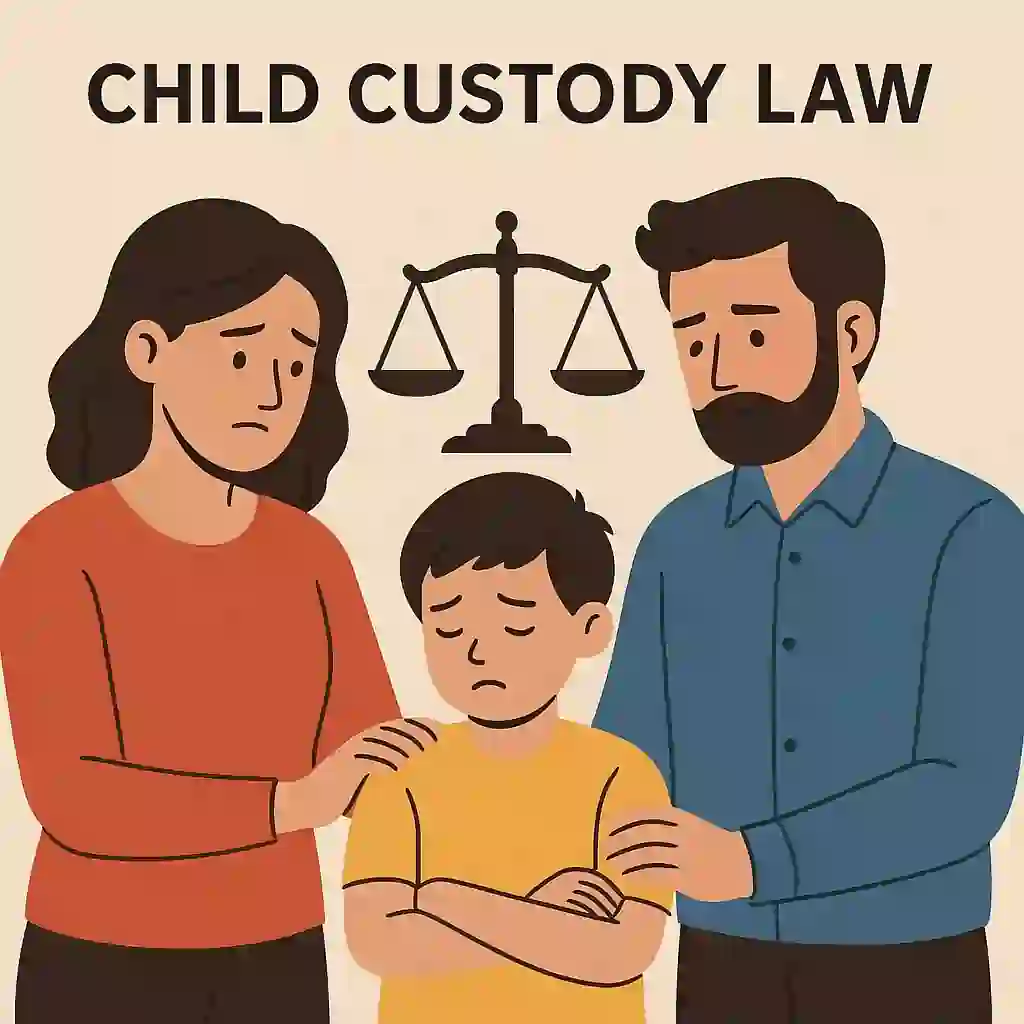
When parents cannot agree, the family court can make legally binding decisions about child arrangements.
The court’s main priority is the welfare and best interests of the child. Judges do not automatically favour one parent over another. Instead, they consider which arrangements will best meet the child’s needs and promote their well-being.
The court may look at factors such as:
- The child’s needs, wishes, and feelings, assessed according to their age and understanding
- Their physical, emotional, and educational needs
- The impact of any proposed changes
- Each parent’s ability to promote the child’s well-being and development
- Any concerns relating to safety or welfare
Court proceedings Cumbria may offer clarity when disputes cannot be resolved elsewhere, but they are often best viewed as a last option after other approaches have been explored.
How Are Decisions Made About Where Children Live and Spend Time?
Every family is unique, which means there is no single arrangement that works for everyone.
Many children may have a livelihood from one parent, where they spend most of their time, while having regular contact with the other parent. Some spend an equal amount of time at each house. The appropriate set-up will depend on the child’s age, school and family circumstances.
Any decision that parents make should be aimed at providing their children with the best level of stability and security. Bear in mind that not only is the current situation important, but also how things might work down the line as children get older and arrangements may need to adapt. Why Is Family Mediation Still Underused in the UK? Myths, Misconceptions and Reality
Successful arrangements are often those that remain flexible and prioritise the child’s wellbeing over parental preferences.

Which Option Is Best for Your Family’s Unique Situation?
There is no universal answer when it comes to separation and child arrangements. What works well for one family may not be suitable for another.
Use of direct conversation and being cooperative gives some parents the independence to work out their own arrangements Cumbria. Achieve this through the structure that mediation provides for you. In more complex situations, it may be necessary to seek legal advice or to go to court.
The most effective option is usually the one that helps parents work together, keeps disagreements to a minimum, and provides children with stability and support.
Taking the time to explore your options can help you make decisions that support your family’s long-term health.
Helping Your Children Adjust and Move Forward After Separation
Separation can be a big adjustment for children Cumbria, no matter how old they are. Every child reacts differently, but most benefit from feeling loved, reassured, and supported throughout the process.
There are several ways parents can help their children cope with the changes that separation brings:
- Keep daily routines as consistent as possible.
- Encourage open and honest conversations about feelings.
- Avoid arguments or conflict in front of the children.
- Reassure them that both parents love and care for them.
- Work together when making important decisions about their lives.
Children do not need parents to agree on everything. What matters most is that they feel safe, secure, and confident that their needs remain the priority. What Can Be Discussed in Family Mediation Cumbria? From Christmas Contact to Mortgage Payments
Although separation can be hard on the family, many children come through it well when parents are sensitive to their feelings and work together. Thereby guiding them towards stability, certainty and reassurance to find a way ahead. You will be a Godsend by prioritising your children and making the right decisions without control issues looming over you!
Common Questions Clients Ask
Q: What should I do first if I have separated from my partner and we have children together?
The first step is to focus on your children’s urgent needs and maintain as much stability as possible. Try to discuss practical arrangements with your former partner, including where the children will live, schooling, routines, and contact arrangements. It can also be helpful to obtain professional advice or mediation if communication is difficult.
Q: How can I make sure my children are affected as little as possible by our separation Cumbria?
Most children cope better in a low-conflict situation with established routines and reassurances that both parents will remain involved in their lives. This can be supported by clear, age-appropriate communication with children to help them feel secure in this time of transition.
Q: Can my ex-partner and I create our own child arrangements without involving a solicitor or the court Cumbria?
Yes. Many parents can negotiate the arrangements for their children themselves. In many instances, it is realistic to keep certain matters private and settle them on a nonformal basis without involving lawyers, as long as both parents can communicate well enough and put their children’s interests first.
Q: What issues should separated parents discuss when making arrangements for their children?
Parents should consider where the children will live, contact schedules, school arrangements, healthcare decisions, holidays, special occasions, and how future important decisions will be made.
Q: What should I do if communication with my ex-partner has completely broken down after separation Cumbria?
If talking directly is hard, family mediation can provide a neutral location to discuss care plans. Mediation: A mediator can help to facilitate communication between both parents and develop practical solutions.
Q: How does family mediation help parents resolve disagreements about their children?
Family mediation is when parents discuss their worries with the support of an independent mediator. It promotes collaboration between families, keeps children’s needs front and centre, and allows parents to discuss solutions without pressure from the court.
For Further Information, please Call Us ON 03300 100 151